
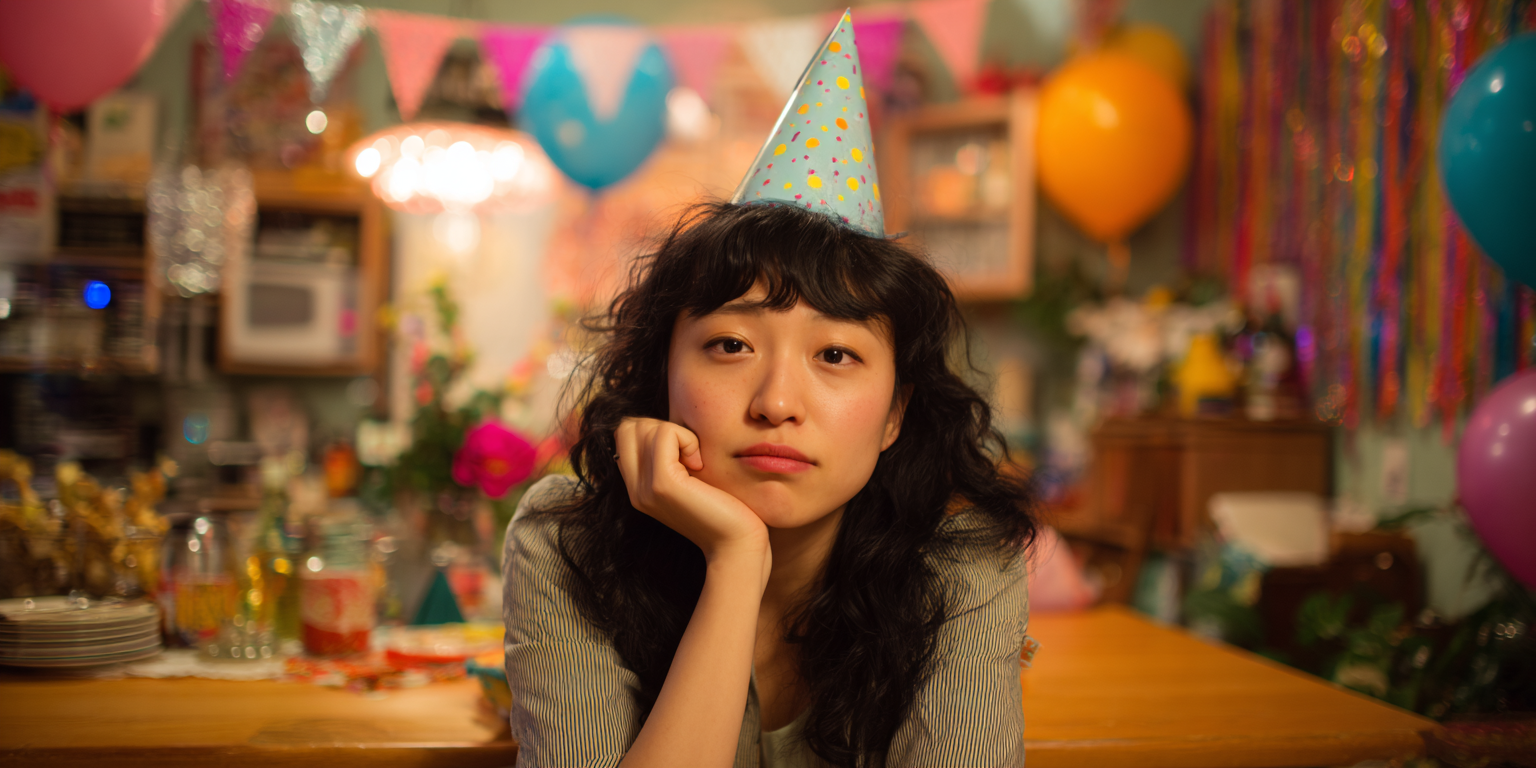
I was scrolling through Instagram on a Saturday night when I saw it: my friends at a drag show I’d been invited to. The lighting was terrible, the videos were shaky, and everyone looked sweaty and beautiful and free. I’d said no because the venue was a bar, and I wasn’t sure I was ready. Watching their stories from my couch, I wondered if I’d ever stop feeling like I was living in a parallel universe.
The Shape of What I Lost
I got sober at 25. Which meant I’d spent my entire adult drinking life convinced that fun required a substance. College parties, club nights, awkward dates, work happy hours, family dinners where someone always proposed a toast—alcohol wasn’t just present. It felt essential. When I pictured myself having a good time, there was always a drink in my hand.
The queer bar scene was where I felt most myself during my drinking years. Those spaces weren’t just places I went—they were where my community gathered, where chosen family got built one drink at a time. When I got sober, I didn’t just give up alcohol. I gave up access to the primary place queer people my age were congregating.
Work friends bonded over beers. Family gatherings featured wine and toasts. Dating in your twenties mostly meant meeting at bars because what else do you do? Every social framework I knew assumed that adults drink.
Year One Was Just Survival
The first year sober, I didn’t miss drinking. I was too busy trying not to die. But I missed everything drinking had given me access to. I missed the ease of walking into a room full of strangers and knowing exactly how to make myself smaller and louder at the same time. I missed the ritual of getting ready to go out, the pregame energy, the way a night could unfold into anything.
What I felt wasn’t craving—I had zero interest in going back to the substances that nearly killed me. What I felt was grief for a version of young adulthood I thought I was supposed to be having. My college friends were still doing Sunday boozy brunch. People my age were at the club every weekend. And I was home by 9 PM, drinking tea and reading recovery literature.
Here’s the distortion I kept running in my head: everyone else was having the time of their lives while I was grinding through sobriety.
I could recognize the thought pattern… the black-and-white thinking… making assumptions about what other people were experiencing, letting my feelings dictate my understanding of reality. Knowing it was distorted didn’t make it feel less true.
My sponsor asked me once what I thought I was missing. I couldn’t articulate it beyond this vague sense that other people got to be careless and I had to be careful. They got spontaneity; I got structure. They got to be young; I got to be sober. She pointed out that this framing assumed their version was the default and mine was the deviation. Maybe both were just ways of being in your twenties.
Testing the Waters
Somewhere in year two, I started experimenting. I went to a drag show with friends who drink. I showed up to my company’s holiday party. I said yes to a first date at a cocktail bar and ordered soda water with lime.
Some of these worked. Some didn’t. The drag show was great—I left before midnight and slept well. The holiday party lasted exactly 45 minutes before I felt like I was watching everyone from behind glass. The date went fine until they ordered a second drink and started talking louder and I realized I’d forgotten what drunk people were like.
What I learned wasn’t whether I could handle being around alcohol. What I learned was that my tolerance for being the only sober person in a room was finite and completely unpredictable. Sometimes it felt easy. Sometimes it made my chest tight. The variable wasn’t the environment—it was me. What kind of day I’d had, whether I’d been to a meeting recently, if I’d eaten, how much I’d been pushing myself to prove I could do normal things.
I started seeing a pattern: I would watch other people doing something that looked fun, assume they were having way more fun than they probably were, convince myself I was missing out on something essential, and then either force myself to participate (and feel alienated) or stay home (and feel excluded).
I really thought that there was a correct way to be 28 and sober, and I was failing at it.
My therapist asked what I would tell a friend dealing with this. I’d tell them that recovery doesn’t mean proving you can do everything everyone else does. That saying no to things that don’t serve you isn’t the same as missing out. That the life you’re building might look different, and different isn’t less than. When she suggested I try telling myself the same things, I rolled my eyes. But I also started doing it.
The program language for this is acceptance. Not as giving up but as working with what is. I accept that my relationship with social spaces has changed. I accept that some things my friends do easily require more effort from me. I accept that my version of a Saturday night might involve leaving early or not going at all. None of this means I’m broken or boring. It means I’m working with the reality I have instead of fighting the reality I think I should have.
What Three Years Looks Like
I still feel FOMO sometimes. Last month, all my friends went to a festival and I stayed home because the crowds and heat and day-drinking energy felt like too much. I watched their Instagram stories and felt that old familiar ache. Then I went to bed at 10 PM, woke up without a hangover, and spent Sunday morning writing. They had their fun. I had mine. Both were real.
I’ve found spaces where I feel present without substances. Recovery meetings where everyone understands without explanation. A monthly writing workshop I help facilitate. Coffee dates with other sober people who get that not drinking is the easy part—rebuilding a social life is what’s hard. Brunch with family where the kids provide entertainment and no one’s drinking mimosas at 11 AM anyway. Rock climbing with coworkers who don’t know I’m in recovery and don’t care.
The shift wasn’t about becoming someone who doesn’t care about missing things. It was about getting clearer on what I actually want versus what I think I should want. Do I want to be at a bar until 2 AM, or do I want the idea of being the kind of person who can be at a bar until 2 AM? Do I miss dancing, or do I miss who I was when I was dancing drunk? Different questions, different answers.
I’ve also started asking myself what I’m actually afraid of missing. Sometimes it’s connection—I worry my friends are bonding without me and I’ll become the person they forget to invite. Sometimes it’s youth—I’m afraid I’m wasting my twenties being responsible while everyone else is having experiences. Sometimes it’s freedom—I resent that I have to think about whether I can handle something while other people just go.
When I catch myself spiraling now, I ask: Is this based on what’s actually happening or what I’m imagining? Am I comparing my behind-the-scenes to everyone else’s highlight reel? What evidence do I have that missing this one thing means I’m missing my whole life? Usually the answers deflate the anxiety. Not always, but usually.
The Cultural Context
Being young and sober means building a life in the margins of a culture that assumes drinking is how adults socialize. That assumption is everywhere—date ideas, networking advice, celebration rituals, stress relief. When you opt out, you’re opting out of the primary technology most people use to connect.
For queer people, this gets more layered. So much of queer community has historically centered in bars because bars were the only spaces we had. That’s changing, but the infrastructure is still bar-centric.
Pride events, fundraisers, dance parties—they happen in spaces where alcohol flows freely. Recovery meetings exist and queer sober communities are growing, but we’re building new infrastructure while watching everyone else use the old one.
The economic part matters too. Sober socializing can cost more. Going to a movie costs more than splitting a pitcher or a bottle of wine. A yoga class costs more than happy hour.
Meanwhile, I’m spending significant money on therapy while watching friends drop seven dollars on a cocktail. Both are investments in feeling better, but one is socially acceptable and one makes people uncomfortable.
I don’t think there’s a way to be young and sober without sometimes feeling like you’re missing something. The question is whether you’re willing to trade what you’d be missing in sobriety for what you’d lose if you went back.
For me, the answer is obvious. But that doesn’t mean I don’t occasionally watch Instagram stories and wish I could be two people at once.
Small Moments Add Up
Last weekend, I went to a birthday party at a friend’s apartment. There was wine and beer and seltzer. I brought fancy sodas and made myself something with bitters and grapefruit. Someone asked what I was drinking, I said it was nonalcoholic, they nodded and kept talking. No one cared.
We played board games until midnight. I drove home sober, texted my sponsor goodnight, went to sleep knowing I’d remember everything.
In the morning, I didn’t feel like I’d missed anything.
I felt like I’d been there all along.
If this hit home, I write about early recovery, queer sobriety, and figuring out who you are when substances aren’t in the picture anymore. Subscribe to get these in your inbox—recovery’s hard enough without feeling like you’re the only one going through it.